
In the AI Era, Start Defining Your Own Life Game
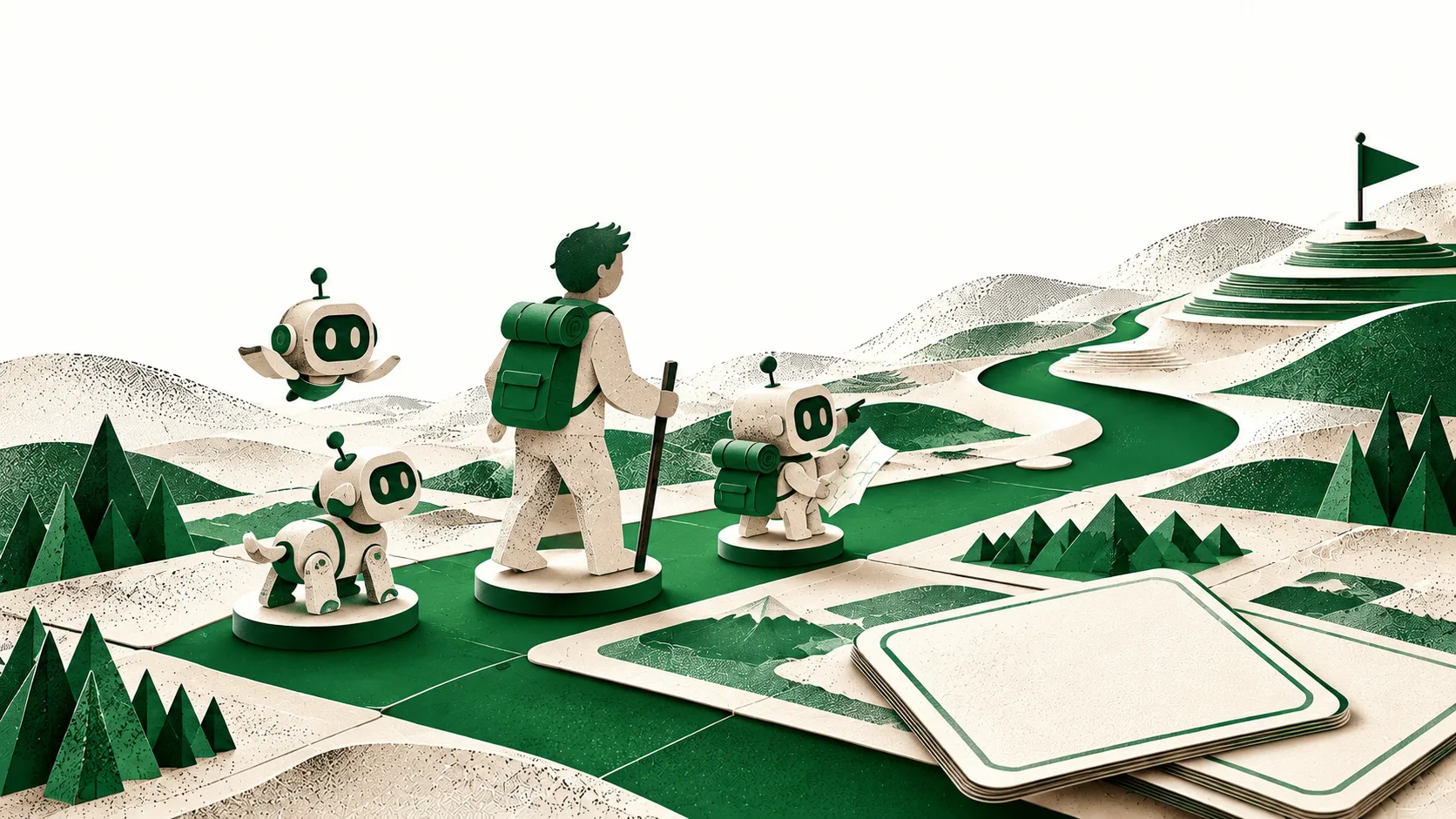
Translated from the original Chinese article. Some illustrations are from the original and may contain Chinese text.
In the AI era, if you don't actively define your own rules, you may be forced to become an NPC in someone else's algorithm.
The spark: from a tricycle to a game system
A few days ago, I shared an idea I called the “super-intelligent tricycle.”
I said that in the AI era, each of us is a driver, the LLM is an engineer, and our work, personal IP and brand are the three wheels. After sharing it, another question struck me: could I build a personal life-game system?
Why a game?
I had two very personal reasons for moving from “building a vehicle” to “building a life-game system.”
First: loneliness. I realized early on that life is, at heart, a solitary game. Genuine understanding between people is difficult. Rather than seek understanding outside myself, I would rather learn to be alone.
Second: getting hooked. I used to love games and became absorbed in them. Recently, Vibe Coding has given me the same feeling. I find myself increasingly hooked on playing with AI, too.
So I wondered: could I use AI to build a simple life-game system?
In this game there is nobody else—only me. I define the vision and direction, then build a game system that suits my tastes. It contains many AI NPCs: some give me quests, some help me develop skills, and some join me in tackling dungeons.
What DNF taught me
How should the game be designed? I looked to one I used to play: DNF (Dungeon & Fighter).
Have you played DNF? There are character classes and skills; at certain stages you can change class and awaken exclusive abilities.
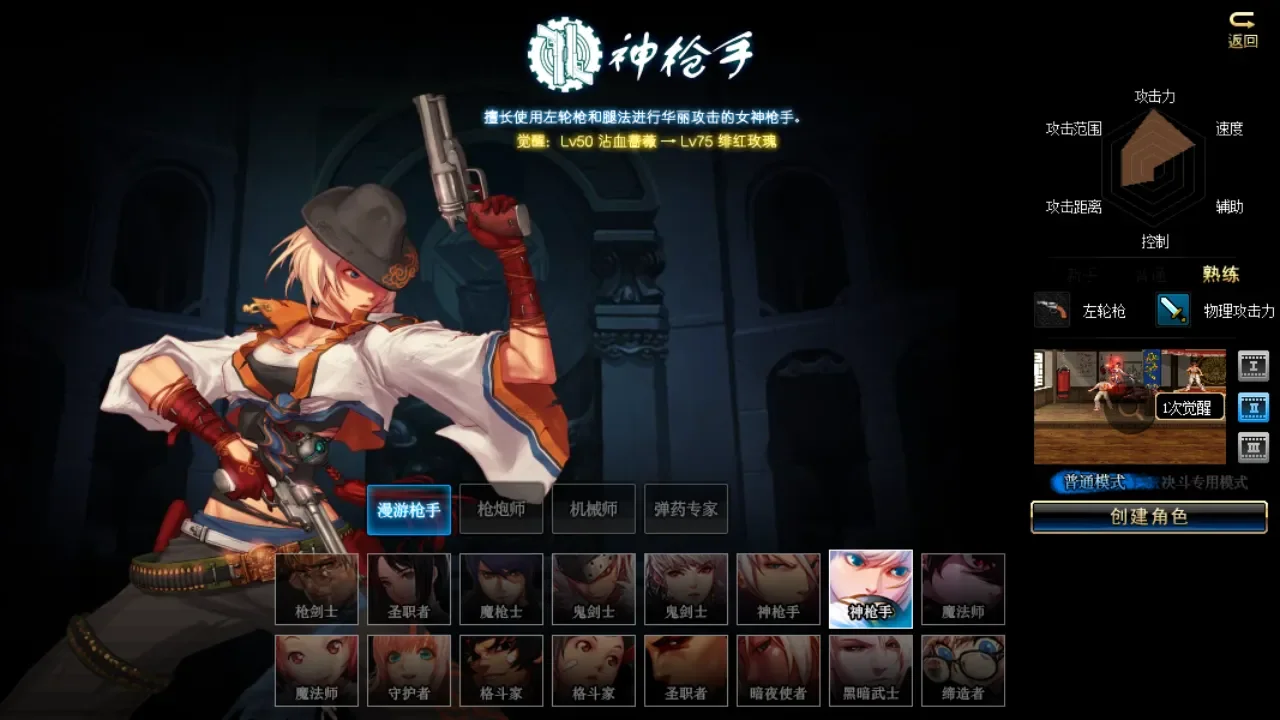
Even more interesting is the NPC system. Some NPCs give you quests; some can even accompany you as “dolls” when you enter a map and fight monsters.
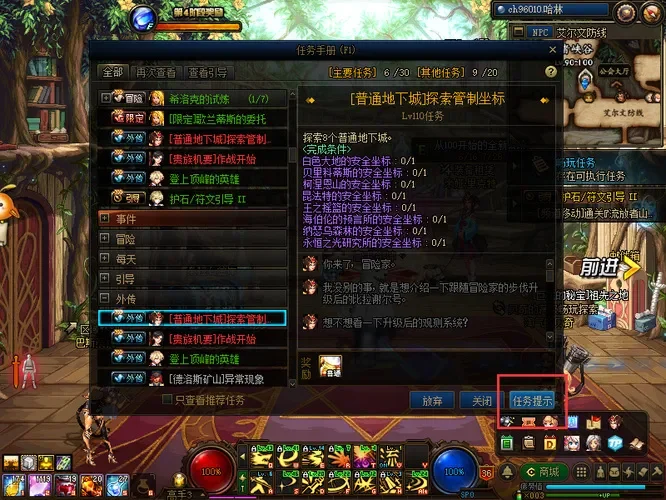
Isn't that a fitting metaphor for the AI era?
I am the player. AI is my team of NPCs. Each new business exploration is like opening a new map, bringing new quests, NPCs and skills with it.
A three-layer architecture
To create that experience, I needed to rethink the system's starting structure. From a workflow perspective, I divided the Samelone Game into three layers.
Layer one: decisions (the brain).
There are two key roles. One is me: I define the direction, vision, principles and even my personal style—my vibe.
The other is my Chief Strategy Mentor, a kind of chief steward. I tell it my ideas; it identifies my intent and delegates specific tasks to the most appropriate person.
Layer two: execution (the hands).
This is my team of Agents, each with a different responsibility:
- Content Agent: helps me write and make videos.
- Code Agent: helps me build tools and fix bugs.
- Schedule Agent: helps me manage time and arrange meetings.
- HRBP Agent: helps me manage these digital employees and improve processes.
Layer three: tools.
This is the underlying capability layer, like the equipment slots in a game. It contains atomic Skills, such as writing scripts and making images, and MCP (Model Context Protocol) connections to the outside world, including Feishu and local files.
Agents call Skills; Skills call MCP. Together they form a complete automated workflow.
Why do this?
Some people might think this is over-the-top. Why build a system like this?
For me, the reason is simple: in the AI era, the cost of execution is approaching zero.
- Write code? Cursor can produce it in seconds.
- Write an article? DeepSeek can produce it in seconds.
- Make an image? Midjourney can produce it in seconds.
When doing becomes so inexpensive, deciding what to do becomes extremely valuable.
Without your own rules, you can become an NPC in someone else's game. You need your own filter and generator.
Don't wait for a perfect system to fall from the sky.
Start small. Start now.
Even if all you do is define a simple role, or write an instruction that helps polish your emails.
Game start.
This is my Samelone Game. Has your game begun?